Insects and Swarms
A high-resolution sound library of bees, flies, mosquitoes, cicadas and crickets, recorded one species at a time at 96 kHz.
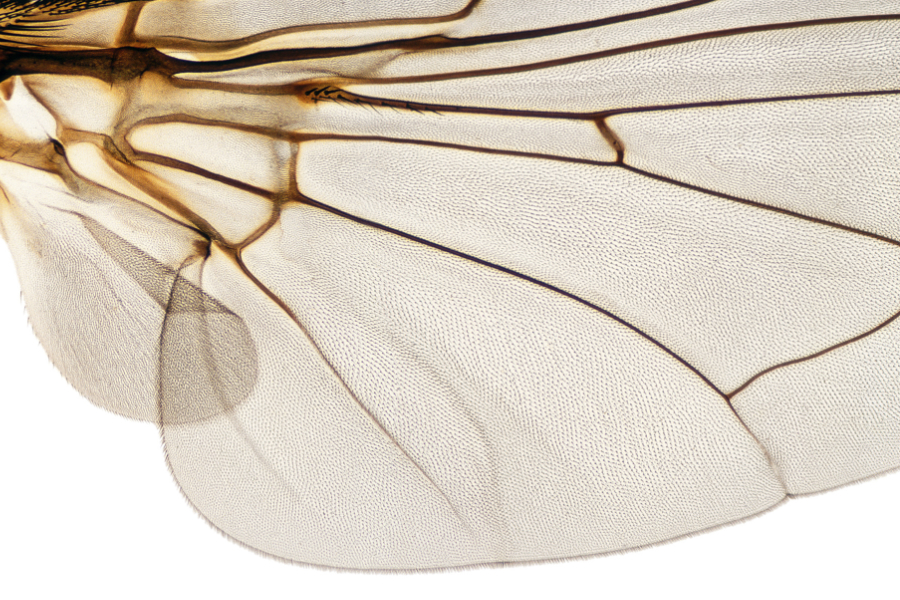
Insects are difficult to record well. They are quiet, they are mobile, and the moment a microphone gets close enough to capture something useful, it usually picks up a refrigerator three rooms away. The point of this collection was to spend the time required to do it properly, with each species captured in conditions that suited it: hives miked from the inside, mosquitoes inside an insectary, cicadas in remote Greek pine forests, flies in a controlled environment so the swarms could be tracked without ambient noise.
The result is 185 WAV files at 96 kHz / 24 bit, totalling more than two hours of audio, organised by species and by perspective.
The species
-
Honeybees, recorded from inside the hive
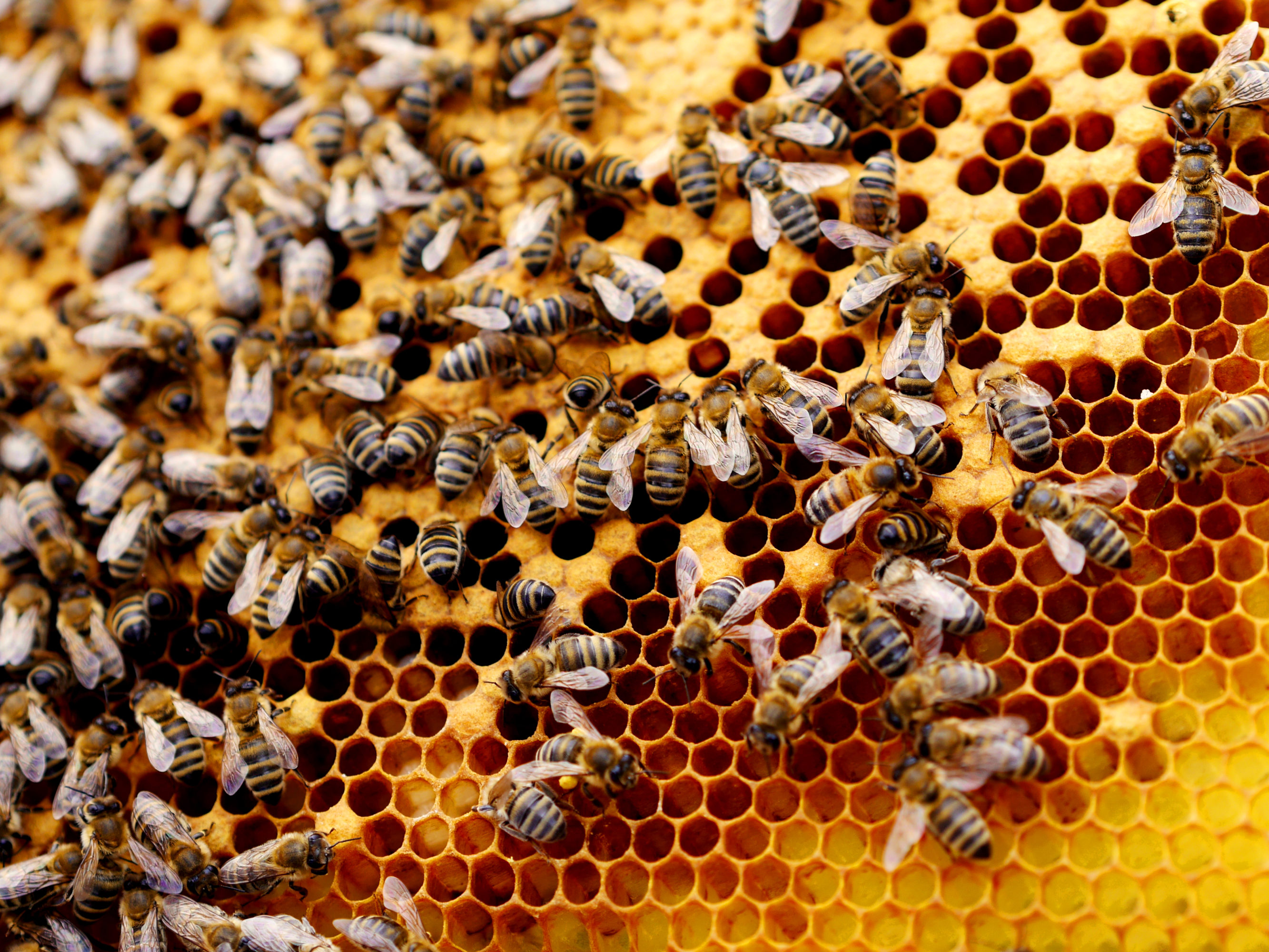
Fourteen long takes at active hives that contained more than 10,000 bees, several of them up to nine minutes long. Tiny DPA 4060 omni capsules were placed directly inside the wooden hive bodies for the close perspective: dense, broadband, with the constant low drone of the colony underneath. A pair of Sennheiser MKH 8040 cardioids covered the entrance area and the gap between hive boxes for crisp worker passes. Some takes step further out for a calmer "from the garden" perspective.
One particularly intense recording captures the hive defending the colony while the beekeeper removed a honeycomb and replaced it with sugar water for feeding.
-
Flies, by species and density
Nineteen fly-swarm takes spanning multiple species and a wide spread of densities, from quiet background buzz to thick chaotic clouds. Take lengths run from one to six minutes, so the material edits flexibly without obvious looping.
In addition, 51 single-fly recordings were tracked in a controlled environment, with insects flying and landing free of background noise. These are the files to reach for when a single fly needs to fly past a microphone in a clean isolated way, or when a swarm needs an extra layer of detail in front.
-
Mosquitoes, inside an insectary
Recorded inside an insectary laboratory with access to controlled mosquito populations. The set covers swarms of different sizes alongside isolated single insects, plus a selection of seamless designed loops of continuous mosquito wing buzz. The loops are easy to ride under dialogue, attach to a moving emitter in a game engine, or sit under a close-up shot.
-
Cicadas, in Greek pine forests
Cicadas were captured outdoors in remote pine forests in Boetia, Greece, where the chirp pattern remains clean and largely free of traffic and human activity. Single chirps, paired calls and small-group beds were tracked at varying distances, including loop versions for game and ambience use.
-
Crickets
The cricket material was tracked indoors in a controlled studio space, free of room tone and weather. Single chirps, paired calls and steady beds, in clean isolation that holds up under heavy processing.
-
Designed wing-buzz loops and flybys
To round out the recordings, a set of continuous wing-buzz tones was synthesized from scratch for species or behaviours where a clean recording was impractical. These designed elements track easily to picture, hold up under heavy pitch shifting, and can be looped in a game engine without seams.
Coverage includes bees, flies, mosquitoes, generic bugs, moths, wasps and fantasy creatures, plus a wide selection of insect flybys at different speeds.
"Real-world recordings are also a great base for sound design and development into new elements."
Why insect sounds sound the way they do
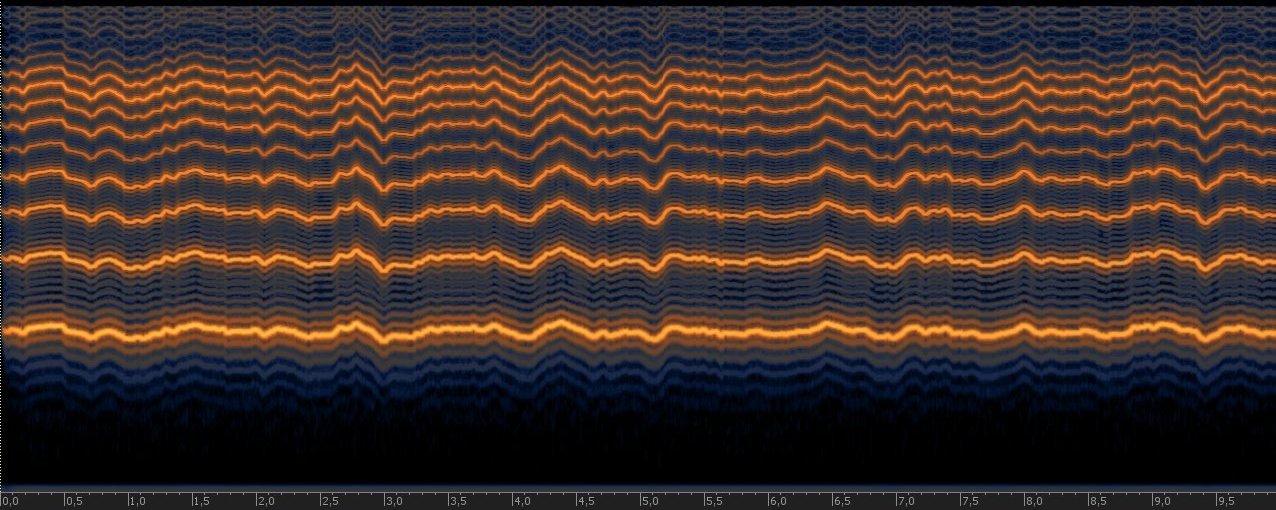
The buzz produced by flying insects is a side effect of how they fly. As the wings beat back and forth they push air around the body, generating pressure waves whose frequency tracks the beat rate. Faster wings means a higher-pitched buzz.
Mosquitoes sit at the high end, beating their wings around 300 to 600 times per second, which produces the thin whining tone everyone recognises. Houseflies sit lower, around 200 beats per second, and consequently sound deeper and more grumbly. Honeybees fall somewhere in between at roughly 230 beats per second, with the steady drone we associate with hive activity.
Wingbeat speed is not the only factor. Wing size and shape, body mass and the type of flight all colour the sound. Larger insects with broader wings tend to be lower pitched, while smaller, lighter species sound brighter. Hovering or sustained close-quarters flight, such as a bee inside a hive, often reads as more intense, simply because the wings keep moving without translation through space. Knowing the wingbeat range of a species is also useful at the editing stage: a buzz pitched out of its natural range stops reading as an insect and starts reading as something else, which can be intentional, or the bug that gives away the cheat.
Two perspectives, where it helps
For the hives in particular, two microphone systems were tracked simultaneously. The close perspective is a stereo pair of DPA 4060 omni miniatures placed inside the hive body, which captures the broadband colony content and the proximity of individual workers. The outer perspective is a stereo pair of Sennheiser MKH 8040 cardioids around the entrance and between boxes, which captures the discrete passes and a more usable overall stereo image. Both perspectives are included, so they can be balanced or used independently.
The flies, mosquitoes and crickets were tracked in environments designed to deliver clean signal in a single perspective. The cicadas were tracked outdoors with the MKH 8040 pair, taking advantage of the cardioid pattern to reject the canopy noise and stay focused on individual chirpers.
- Recorders
- Sound Devices 633, Sonosax SX-R4+
- Microphones
- 2× Neumann TLM 103 (cardioid), 2× DPA 4060 (omni miniatures, inside hives), 2× Sennheiser MKH 8040 (cardioid)
- Sample rate / depth
- 96 kHz / 24 bit
- Total recordings
- 185 WAV files, more than 2 hours of audio
- Download size
- 3.6 GB
Cataloguing: UCS and forty languages
Every WAV in the collection follows UCS 8.2.1 naming and carries more than twenty fields of embedded metadata, written into BWAV, iXML, LIST/INFO and Soundminer chunks: CategoryFull, Category, SubCategory, CatID, FXName, Description, BWDescription, CDDescription, CDTitle, Recordist, Designer, Artist, Manufacturer, Publisher, Source, URL, VendorCategory, ixmlNote, OpenTier, LongID, ShortID, Library, Keywords, TrackTitle, Microphone, Location, MicPerspective, RecMedium, RecType, Track, Version, ISRC.
The descriptive fields (Description, BWDescription, CDTitle, TrackTitle, CDDescription, FXName and Keywords) are translated into forty languages, including Arabic, both Chinese variants, French, German, Hindi, Japanese, Korean, Portuguese, Russian, Spanish, Turkish and Vietnamese, and ship as TSV and XLSX sidecars next to the audio.
How the material is typically used
In post, this kind of source material falls into a few common buckets. As atmospheric beds, where a hive bed or a cicada layer sits underneath a scene to anchor a location. As close-up emitters in a game engine, where the seamless wing-buzz loops can be attached to flying insects, swarms or fantasy creatures and pitched on the fly. As a base for sound design, where real wing-buzz pitched two octaves down becomes a drone or a creature voice. And as transient detail, where a single fly pass adds a layer of life to an otherwise static room.
"Really high-quality recordings of lots of insects and also some very usable and applicable sound design elements. Real-world recordings are also a great base for sound design and development into new elements. Recommended!"
David Smith, Sound Designer, Wardour Studios UK"The ShapingWaves collections are full of extremely well recorded, professionally catalogued dynamic sounds. SHAPINGWAVES has assembled unique library material that pushes each one of its categories to the next level, very useful for sound designers everywhere."
Wylie Stateman, Sound Designer (Deepwater Horizon, Shrek, Kill Bill 1+2, Tron)"Shapingwaves libraries are perfectly organized and come with excellent metadata. The available sound libraries are innovative and unique, a great resource for my current and upcoming projects."
George Haddad, Supervising Sound Editor, Formosa Group BurbankThe work documented here lives on as the Insects and Swarms sound library, distributed as a 3.6 GB download of 185 stereo WAV files at 96 kHz / 24 bit, with full UCS metadata, under the SHAPINGWAVES License Agreement for use in film, television, games and other media productions.